Getting Sambar Right: The Ratios and Rules That Actually Matter
Every South Indian family has a sambar story. Maybe it's the version your grandmother made on weekday mornings that somehow tasted better than anything you've had since. Maybe it's the restaurant in Chennai where the sambar came in a small steel cup alongside idli, and you'd pour it slowly and watch it pool into every crevice. Maybe it's just the smell — that particular combination of tamarind, toor dal, and toasted spices that is, to a lot of us, the smell of home.
And then you try to make it in your apartment in Chicago or Houston or the Bay Area, and it's... fine. It tastes like sambar, technically. But it doesn't taste like that sambar.
We hear this constantly. And after years of making sambar in our own kitchen and talking to home cooks across the US about where things go sideways, we've identified the patterns. This isn't about exotic techniques or hard-to-find ingredients. It's mostly about proportions, sequencing, and a few non-negotiables that are easy to skip when you're cooking from memory or following a recipe that's been stripped of its context.
First, Understand What Sambar Actually Is
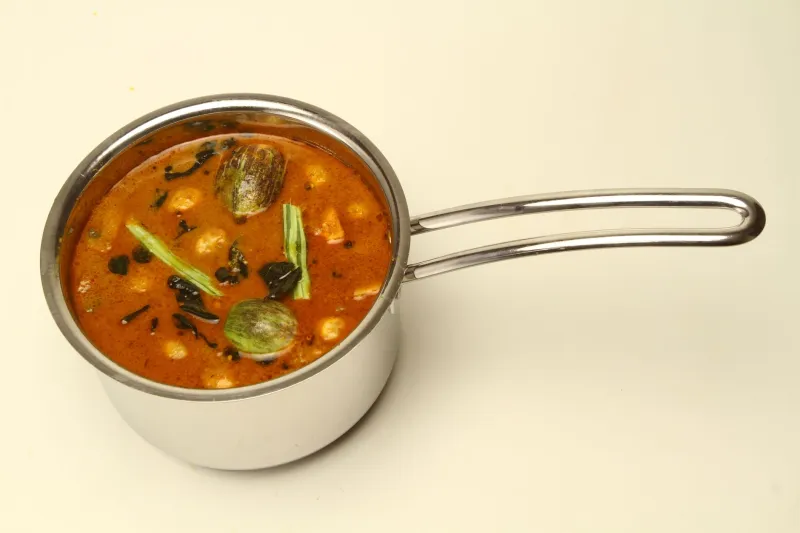
Sambar is a tamarind-based lentil stew, and that framing matters. It is not a dal that happens to have tamarind in it. It is not a vegetable soup that happens to have lentils in it. The structure of sambar — the way its flavors layer and interact — depends on treating the tamarind, the dal, and the spice base as three distinct components that get combined at specific moments, not dumped in together and hoped for the best.
The version most people in Tamil Nadu, Karnataka, and Andhra Pradesh grew up with is built on toor dal (split pigeon peas), a tamarind extract, a combination of vegetables, and sambar powder — either homemade or store-bought. The tempering (tadka) comes at the end and is what gives sambar its signature aroma.
Regional variations exist, and they're significant. Kerala sambar tends to be thicker and less tamarind-forward. Udupi-style sambar is sweeter, often with jaggery. Andhra sambar can be considerably spicier. For the purposes of this guide, we're working with a Tamil Nadu-style sambar as the baseline, since it's the version most people are trying to recreate.
The Dal Situation
Toor dal is the right dal for sambar. Not masoor, not moong. Toor. It has a particular earthiness and body that holds up to the tamarind and spices in a way that lighter lentils don't.
The ratio that works in our kitchen: 1 cup of dry toor dal to about 3 cups of water in the pressure cooker. Cook it until it's completely soft — almost falling apart. Then whisk it smooth before adding it to the sambar pot. Lumpy dal is one of the most common texture problems in homemade sambar, and the fix is just to whisk it thoroughly before incorporating.
Dal quantity relative to the total volume matters too. A common mistake is using too little dal and too much water, which gives you a thin, watery sambar that tastes diluted. A good sambar should coat the back of a spoon lightly. If yours is running like soup, you probably need more dal or less liquid.
Tamarind: Don't Skip the Real Thing
This is the hill we'll die on. Tamarind concentrate from a jar is not the same as tamarind pulp soaked and extracted from a block. The concentrate is sharper, more one-dimensional, and lacks the depth that comes from the whole tamarind. It can work in a pinch, but the flavor profile shifts noticeably.
For a standard pot of sambar serving 4-6 people, use a golf ball-sized piece of tamarind block soaked in about a cup of warm water for 15-20 minutes, then squeezed and strained to extract the pulp. This gives you a rounded, fruity sourness rather than a sharp acidic hit.
Add the tamarind extract to the pot before the dal. Let it cook down for at least 10 minutes on its own with the vegetables and sambar powder. This step — cooking the tamarind separately before adding the dal — is something a lot of recipes skip, and it makes a real difference. The tamarind needs time to mellow and integrate with the spices before the dal goes in.
Sambar Powder: Homemade vs. Store-Bought
Homemade sambar powder is better. That's just true. But good store-bought sambar powder is still very good, and for weeknight cooking, it's a completely reasonable choice. MTR and Aachi are reliable brands available at most Indian grocery stores in the US.
The ratio: 1.5 to 2 teaspoons of sambar powder per cup of dry toor dal used. Most recipes under-spice, which is why the result tastes flat. Taste as you go, but start with more than you think you need — sambar powder blooms and mellows as it cooks, so what tastes intense raw will be more balanced in the finished dish.
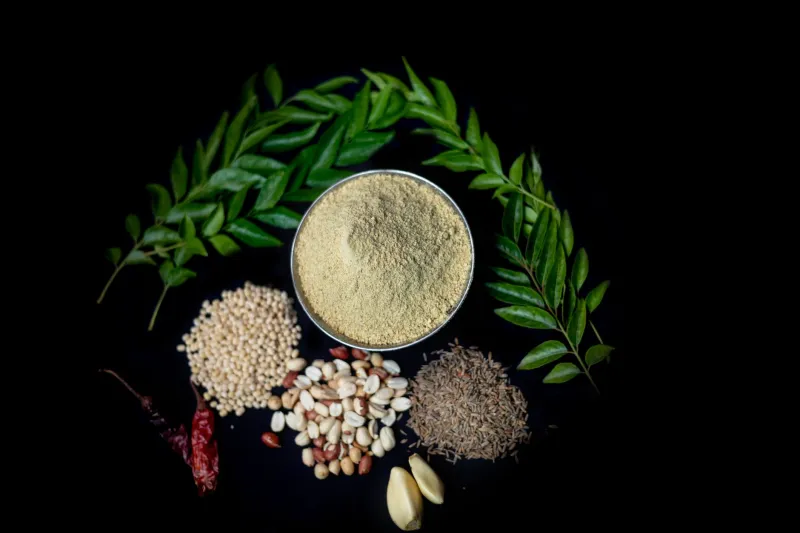
If you're making your own powder, the key spices are coriander seeds, cumin, black pepper, dried red chilies, chana dal, urad dal, and curry leaves, all dry-roasted and ground. Some families add a small amount of cinnamon or cloves. The ratios vary by household, which is part of why every family's sambar tastes different.
Vegetables and When to Add Them
Not all vegetables cook at the same rate, and this is where timing matters. Drumstick (moringa pods), eggplant, and pearl onions need more time. Tomatoes and green chilies go in earlier to break down into the base. Softer vegetables like zucchini (a common American substitute) cook quickly and should go in later.
Tomatoes are non-negotiable. Two medium tomatoes, roughly chopped, added early in the cooking process. They provide body, acidity, and a subtle sweetness that balances the tamarind. Skipping tomatoes or substituting tomato paste changes the character of the dish fundamentally.
Pearl onions (shallots) are traditional and preferable to regular yellow onions. They hold their shape better and have a sweeter flavor. If you can't find them, small shallots cut in half work fine.
The Tempering Is the Finish Line, Not the Starting Gun
A lot of cooks temper their spices at the beginning of sambar, frying the mustard seeds and curry leaves in oil before building the rest of the dish in the same pot. That's not wrong, exactly, but the traditional method — and the one that gives you the most aromatic punch — is to do a fresh tempering at the very end and pour it over the finished sambar.
Heat coconut oil (or ghee if you prefer) in a small pan. Add mustard seeds and wait for them to pop. Add dried red chilies, curry leaves, a pinch of asafoetida (hing), and if you like, a small amount of finely chopped shallot. The whole tempering takes about 90 seconds. Pour it over the sambar right before serving, and don't stir it in immediately — let that aroma sit on top for a moment.
That hit of toasted curry leaves and mustard seeds in coconut oil is what your nose recognizes as sambar. Without it, something always feels missing.
Common Mistakes, Fixed
Too sour: You used too much tamarind or didn't cook it down long enough. Add a small amount of jaggery or sugar to balance. Next time, use less tamarind and cook it longer.
Too thin: Not enough dal, or too much water added. Simmer uncovered to reduce, or add more cooked dal.
Flat flavor: Under-spiced or missing the tempering. Add more sambar powder and do a fresh tempering.
Tastes like lentil soup: The tamarind and spices need more time to cook into the dal. Don't rush the simmering stage — sambar needs at least 20 minutes of combined cooking time after the dal goes in.
Sambar rewards patience and proportion. Once you understand the structure of it — tamarind base, spiced dal, timed vegetables, finishing tempering — the dish starts to make intuitive sense. And eventually, it starts to taste like home.